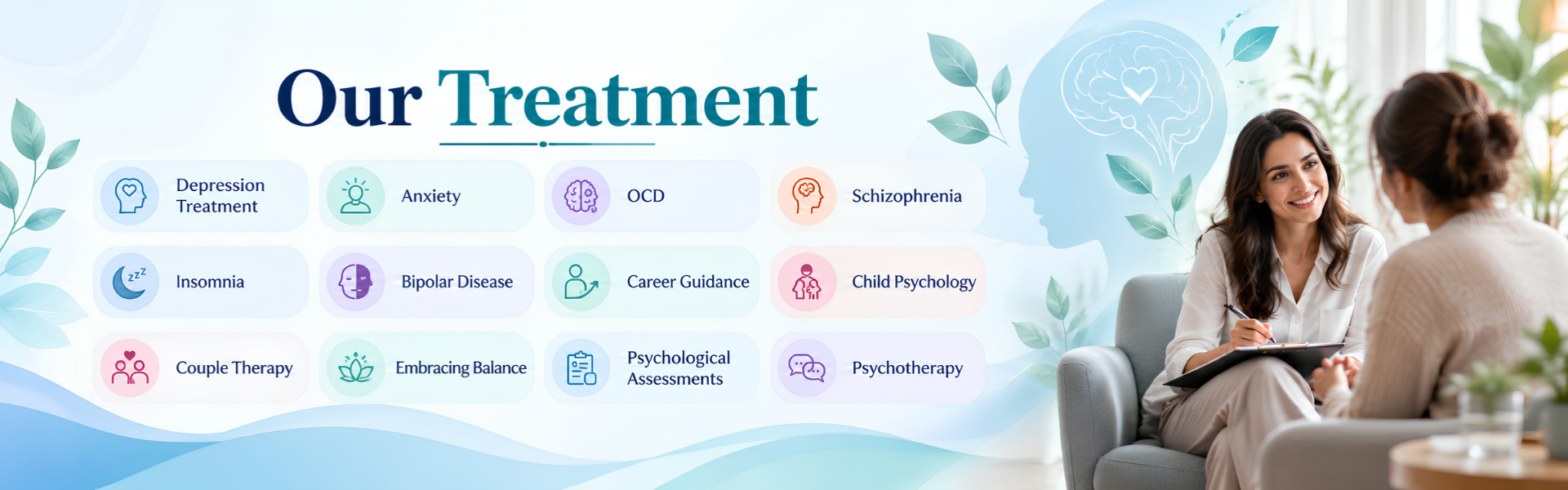
Bipolar disorder is a mental health condition that can affect a person's mood, energy, behavior, and daily activities. It may cause periods of extreme happiness or high energy, followed by episodes of sadness, tiredness, or depression. At Shanti Devi De-Addiction Center, we understand how challenging these mood changes can be for individuals and their families. Our approach to Bipolar Disorder Treatment in Delhi emphasizes professional psychiatric assessment, suitable medical care, psychological counseling, and emotional support. With appropriate treatment and regular follow-up, many individuals can manage their symptoms and lead fulfilling lives.
Bipolar disorder, sometimes called bipolar disease, is a mental health condition that causes significant changes in mood, energy, activity levels, and behavior. People with bipolar disorder may experience manic or hypomanic episodes involving unusually high energy, increased activity, racing thoughts, irritability, or a reduced need for sleep. During depressive episodes, they may feel sad, hopeless, tired, or lose interest in daily activities. Bipolar I disorder involves at least one manic episode, while Bipolar II disorder involves hypomanic and major depressive episodes. The condition can affect work, education, relationships, and overall quality of life. Seeking appropriate Bipolar Disorder Treatment in Delhi can help individuals receive a proper diagnosis, manage mood episodes, and improve daily functioning.
At Shanti Devi De-Addiction Center, we believe that people experiencing mood disorders deserve understanding, respect, and appropriate professional care. Bipolar disorder treatment generally involves psychiatric evaluation, prescribed medication, psychotherapy, family counseling, and ongoing monitoring. Each treatment plan should be developed according to the individual's symptoms, medical history, and specific mental health needs.
A detailed psychiatric assessment is an important first step in understanding bipolar disorder. Qualified psychiatrists evaluate mood changes, sleeping patterns, energy levels, emotional difficulties, and behavioral symptoms. The assessment may include personal medical history, family mental health history, and previous episodes of depression or mania. A proper diagnosis helps professionals recommend suitable treatment and support.
Medication is an important part of treatment for many individuals living with bipolar disorder. Psychiatrists may prescribe mood stabilizers, antipsychotic medicines, or other suitable medications to help manage manic and depressive episodes. Regular medical follow-up helps monitor treatment effectiveness and possible side effects. Individuals should take medicines as prescribed and avoid stopping or changing medication without consulting their doctor.
Psychological counseling provides a supportive environment where individuals can discuss emotional challenges and understand their experiences. Bipolar Disorder Counseling in Delhi may include Cognitive Behavioral Therapy (CBT), psychoeducation, or other suitable psychological approaches. These therapies can help individuals recognize changes in mood, manage stress, improve daily routines, and develop healthier coping strategies. Psychotherapy is generally used alongside prescribed medical treatment.
Bipolar disorder can also affect family relationships and everyday communication. Family counseling helps loved ones understand mood episodes, recognize warning signs, and learn supportive ways to respond. Education and open communication can help reduce misunderstandings and create a more understanding home environment. Family involvement may also support treatment consistency and recovery.
Bipolar disorder often requires long-term treatment and regular monitoring. Maintaining a consistent sleep schedule, managing stress, staying physically active, and following prescribed treatment can support mood stability. Individuals may also benefit from tracking changes in mood, energy, and sleeping patterns. Regular follow-up appointments help healthcare professionals review progress, identify possible warning signs, and adjust treatment when necessary.
At Shanti Devi De-Addiction Center, we understand that bipolar disorder affects each person differently. Our focus is on recognizing individual concerns and encouraging suitable psychiatric treatment, psychological counseling, and mental health support according to personal needs and circumstances.
Bipolar disorder can involve episodes of mania, hypomania, depression, irritability, and changes in sleeping patterns. Our approach emphasizes awareness of these symptoms and the importance of appropriate medical assessment, prescribed medication, psychological therapy, and ongoing professional care.
Living with unpredictable mood changes can create emotional and social difficulties. We believe individuals seeking mental health support deserve dignity, patience, and understanding. Our aim is to encourage a welcoming and non-judgmental environment where individuals and families feel comfortable discussing their concerns and seeking appropriate guidance.
Managing bipolar disorder is often an ongoing process that requires regular care and support. Our approach emphasizes emotional awareness, healthy lifestyle habits, family understanding, and continued professional treatment. With suitable psychiatric care and long-term follow-up, many individuals can manage mood episodes, improve relationships, and maintain a better quality of life.
Finding appropriate Bipolar Disorder Treatment in Delhi NCR is an important step for individuals experiencing extreme mood changes, periods of unusually high energy, depression, or difficulties with daily functioning. Shanti Devi De-Addiction Center aims to encourage mental health awareness and appropriate professional support for individuals and families in Delhi and surrounding areas. Whether you are searching for bipolar disorder treatment, mood disorder counseling, psychiatric consultation, or psychological therapy, consulting a qualified psychiatrist can help identify suitable care options. Timely diagnosis, appropriate treatment, and continued support can help individuals manage symptoms and improve their overall mental well-being.