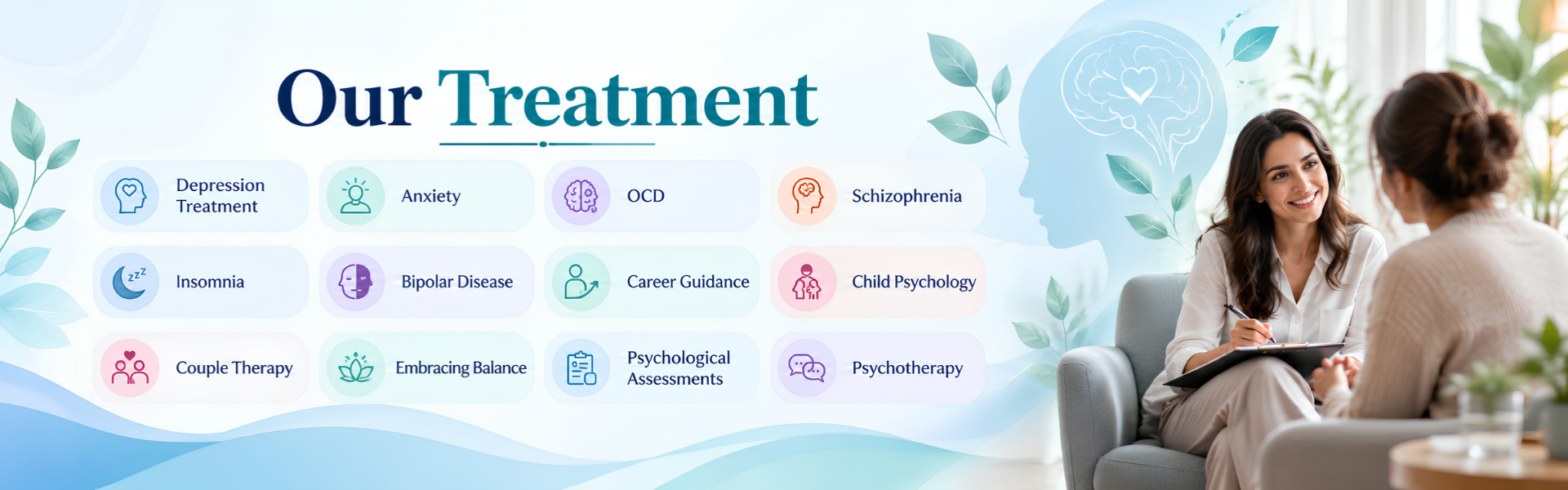
Obsessive-Compulsive Disorder (OCD) can affect a person's thoughts, emotions, behavior, and daily routine. It may cause unwanted thoughts, repeated actions, and feelings of fear or discomfort. At Shanti Devi De-Addiction Center, we understand how difficult it can be to live with these challenges. Our approach to OCD Treatment in Delhi focuses on understanding individual concerns, encouraging professional psychological assessment, and exploring suitable counseling and therapy options. Our aim is to help individuals manage OCD symptoms and improve their emotional well-being and quality of life.
Obsessive-Compulsive Disorder is a mental health condition in which a person experiences unwanted thoughts, images, or urges called obsessions. These thoughts may cause anxiety or distress. To reduce this discomfort, a person may feel the need to perform repeated actions or mental rituals known as compulsions. Common examples include excessive handwashing, checking locks repeatedly, arranging objects in a particular order, or silently repeating certain words. OCD can affect children, teenagers, and adults. Its symptoms may interfere with work, studies, relationships, and everyday tasks. Seeking appropriate OCD Treatment in Delhi can help people understand their symptoms and find effective ways to manage the condition.
At Shanti Devi De-Addiction Center, we believe that mental health support should be based on each person's symptoms and individual needs. OCD can affect people in different ways, so treatment may include psychological assessment, cognitive behavioral therapy, exposure and response prevention, family education, and regular follow-up. A qualified mental health professional can help determine which treatment approach is suitable. Some individuals may also benefit from medication prescribed by a psychiatrist.
A detailed mental health assessment is an important first step in understanding OCD symptoms. Qualified professionals may ask about unwanted thoughts, repeated behaviors, emotional distress, and how these symptoms affect daily activities. The evaluation may also include medical history and psychological questionnaires. This helps identify the severity of symptoms and develop an appropriate treatment plan.
Individual counseling provides a supportive environment where people can discuss their concerns and experiences without fear of judgment. OCD Counseling in Delhi can help individuals better understand their condition and develop coping skills. Counseling may also provide emotional support alongside evidence-based OCD treatment. The most suitable approach depends on the person's symptoms and professional assessment.
Cognitive Behavioral Therapy is an evidence-based psychological treatment used for many mental health conditions. For OCD, a specialized form of CBT called Exposure and Response Prevention (ERP) is particularly effective. ERP involves gradually facing situations or thoughts that cause anxiety while learning to resist compulsive behaviors. With professional guidance, this approach can help reduce OCD symptoms and improve daily functioning.
OCD can affect not only individuals but also their family members and relationships. Family education and counseling can help loved ones understand OCD symptoms and learn supportive ways to respond. Families may also receive guidance on avoiding behaviors that unintentionally maintain compulsive rituals. Understanding, patience, and appropriate support can make treatment easier to manage.
OCD treatment often requires regular practice, patience, and professional follow-up. People may learn strategies to manage anxiety, reduce compulsive behaviors, and respond differently to unwanted thoughts. Follow-up appointments help professionals review progress, address ongoing challenges, and adjust treatment when necessary. Medication may also form part of the treatment plan when clinically appropriate.
At Shanti Devi De-Addiction Center, we understand that OCD symptoms can vary from person to person. Our focus is on recognizing individual concerns and encouraging suitable mental health support based on personal needs and experiences.
OCD may involve contamination fears, repeated checking, unwanted intrusive thoughts, or a strong need for symmetry and order. Some compulsions are mental and may not be visible to others. Our approach emphasizes understanding these different experiences and the importance of appropriate psychological assessment and evidence-based treatment.
Discussing unwanted thoughts or repeated behaviors can feel uncomfortable or embarrassing. We aim to provide a respectful and non-judgmental environment where individuals can discuss their concerns and seek appropriate professional guidance. OCD is a recognized mental health condition, and seeking help is a positive step toward managing its symptoms.
Managing OCD is often an ongoing process. Our approach emphasizes mental health awareness, practical coping skills, family understanding, and continued professional support. Suitable treatment and regular follow-up can help individuals reduce the impact of symptoms and work toward better everyday functioning.
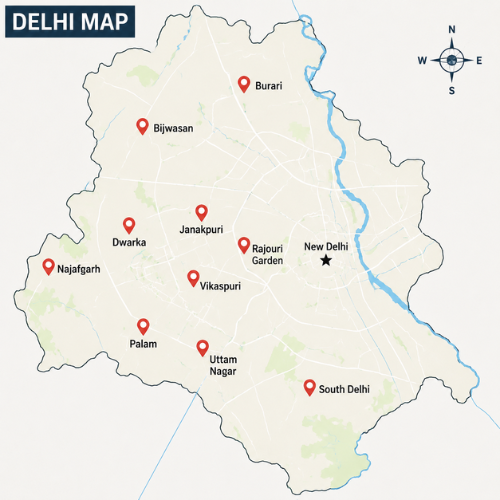
Finding suitable OCD Treatment in Delhi NCR can be an important step for people experiencing intrusive thoughts, repeated checking, excessive cleaning, or other compulsive behaviors. Shanti Devi De-Addiction Center aims to encourage awareness and appropriate mental health support for individuals and families in Delhi and surrounding areas. Whether you are looking for OCD counseling, Cognitive Behavioral Therapy, Exposure and Response Prevention, or a psychiatric assessment, consulting a qualified mental health professional can help you understand available treatment options and take positive steps toward improved well-being.